Articles
Thinking beyond the product
Translating…
21 November 2026
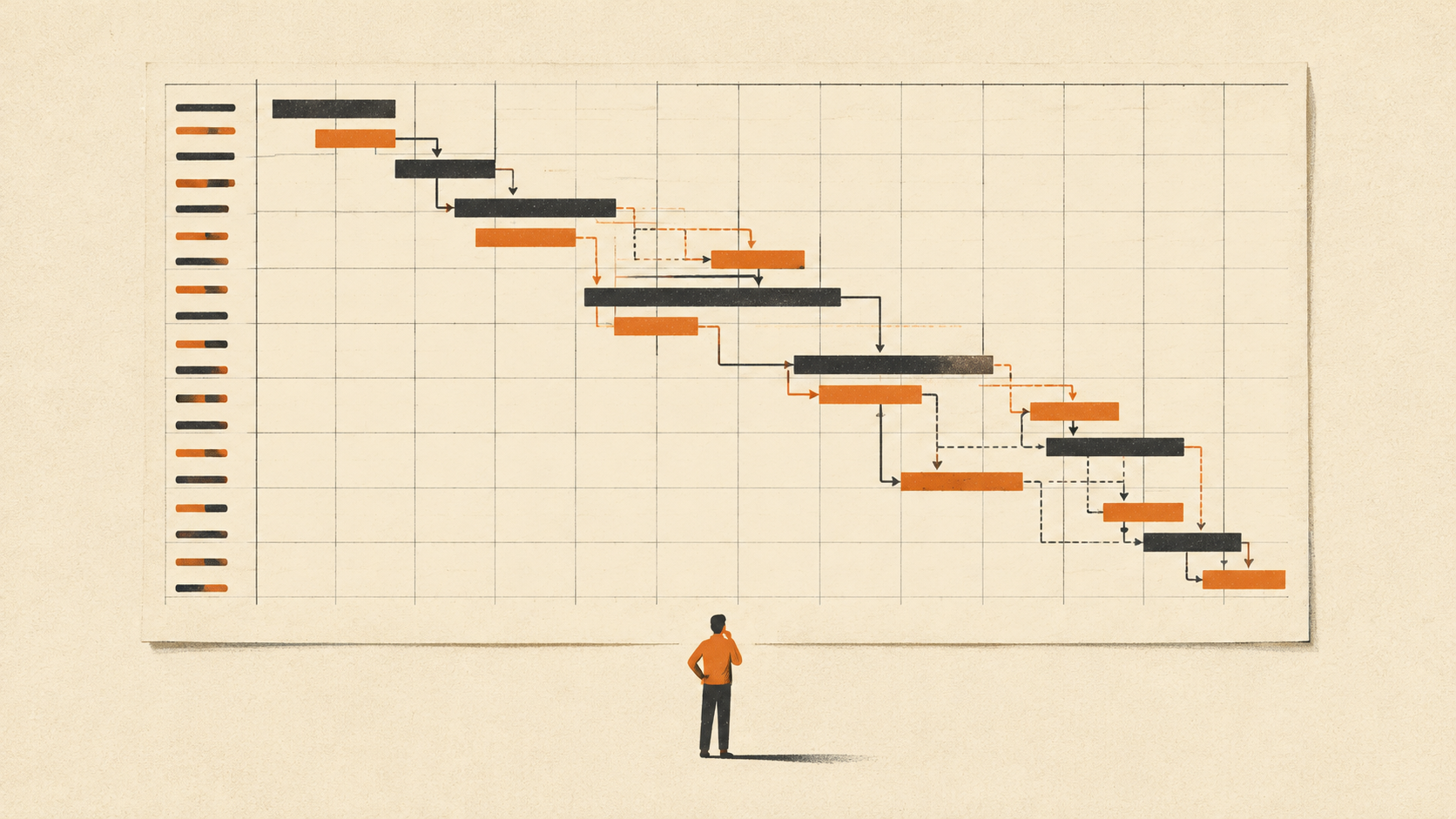
Are We Obsessed With Roadmaps?
At what point does managing the roadmap become more work than delivering the actual work?
15 November 2026
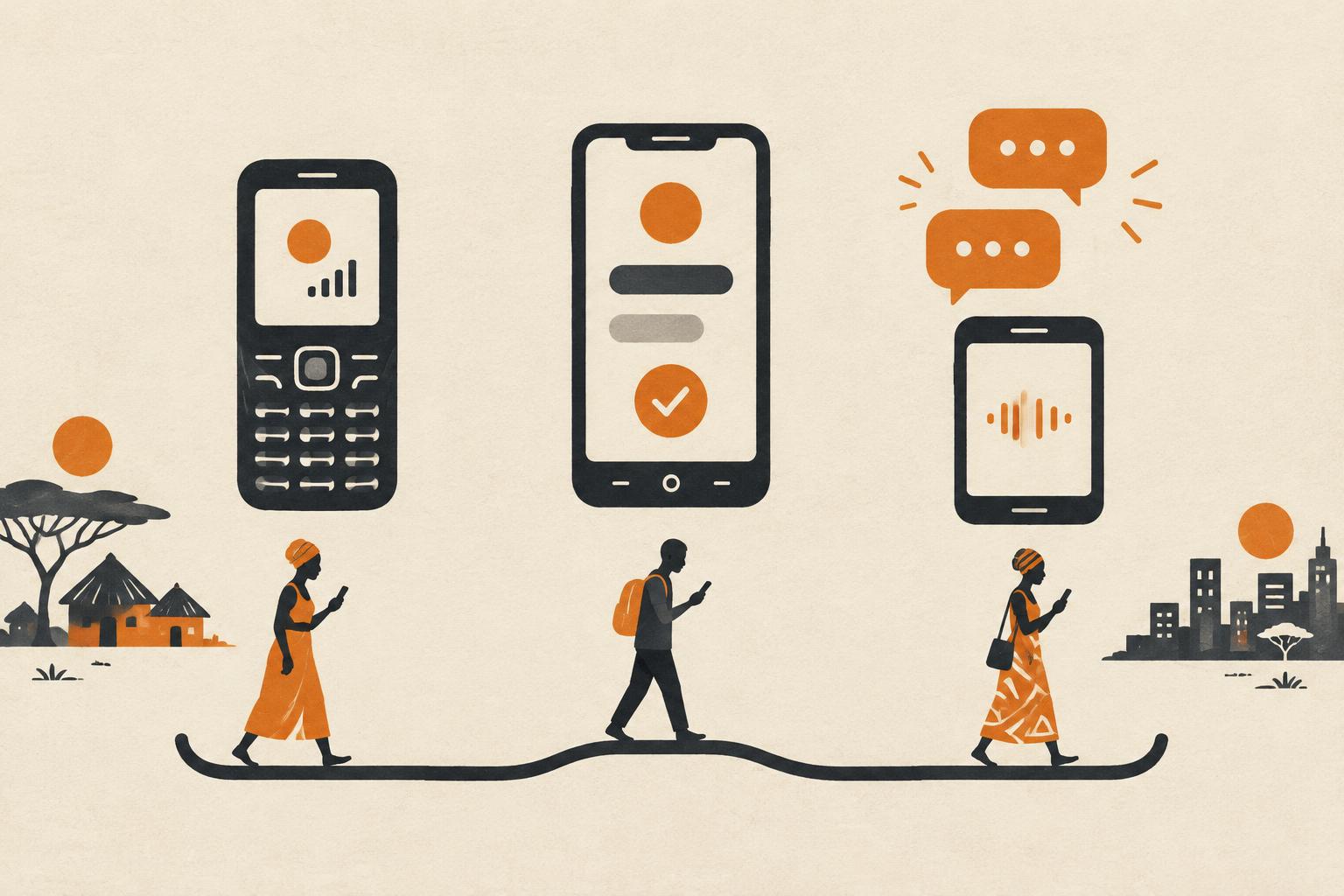
The Interface Is Changing. But Is Everyone Coming Along?
Why the future of digital products cannot be designed around the assumptions of the world’s most connected markets.
8 November 2026
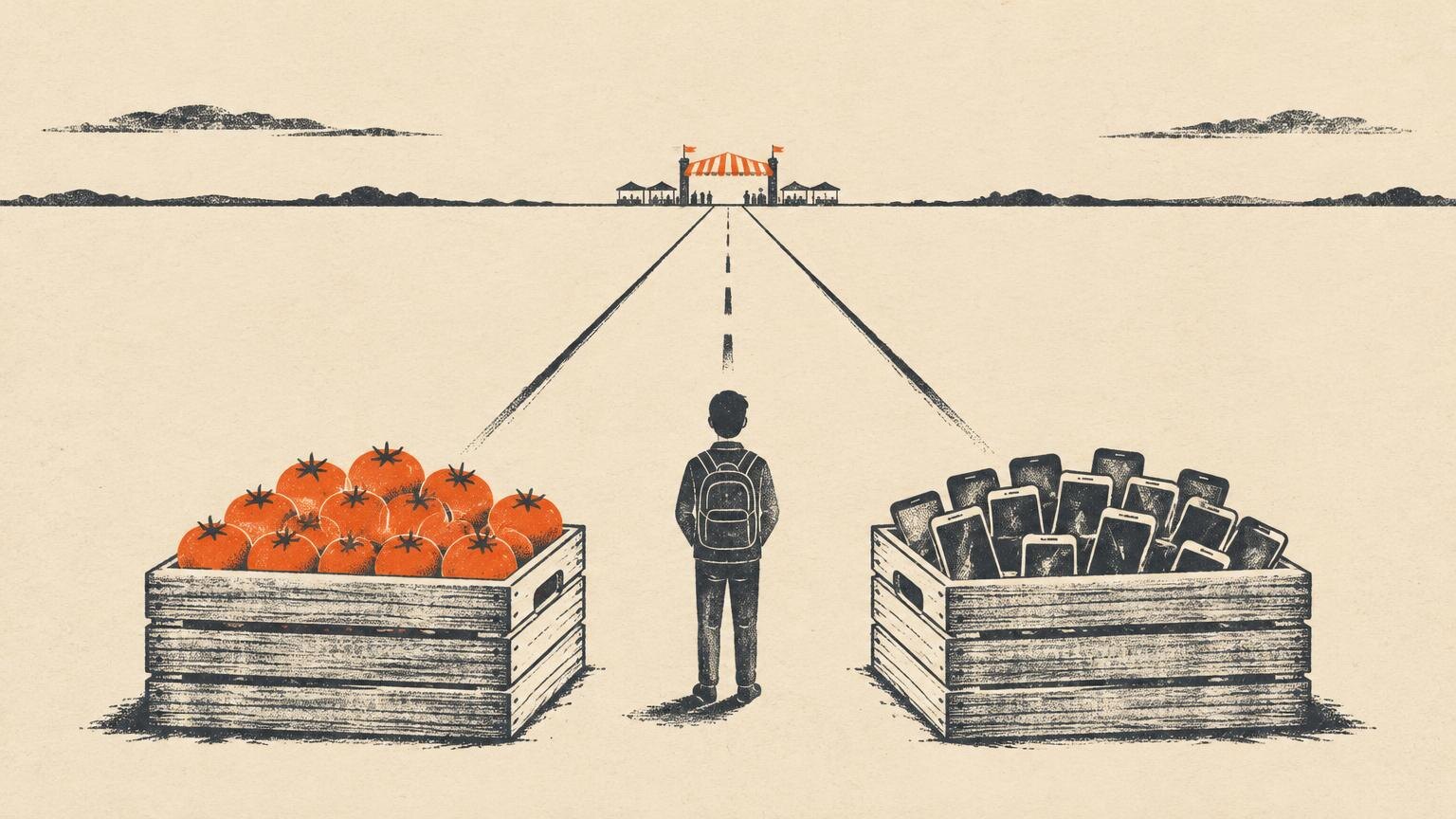
Everyone Can Grow Tomatoes. Everyone Can Build Apps. Who Can Sell Them?
Why distribution, not production, may become the biggest competitive advantage in the age of AI.
1 November 2026
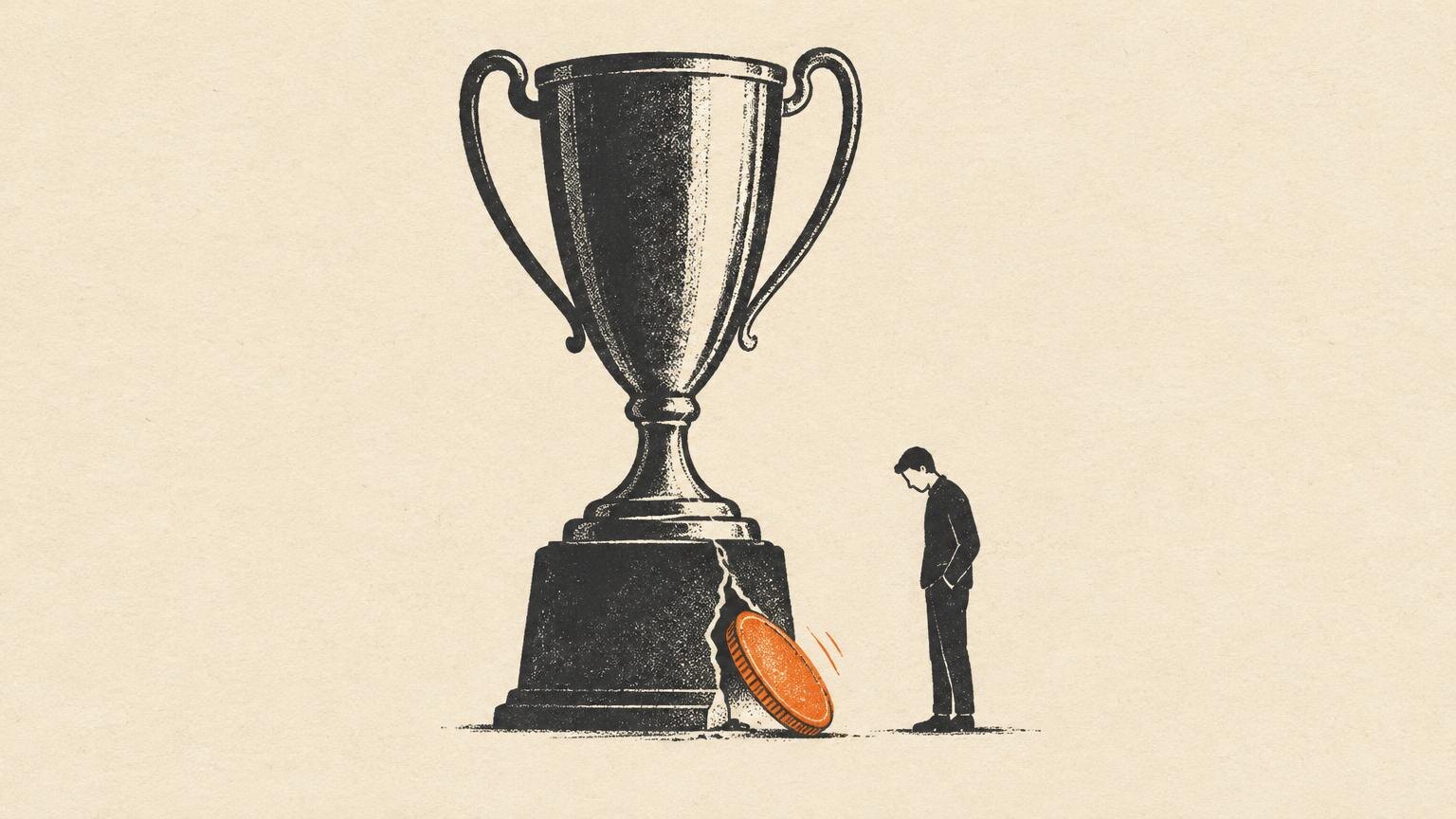
When a Product Looks Successful but the Business Isn’t Winning
A product can look successful inside its own ecosystem while failing to deliver the reason the business invested in it.
25 October 2026
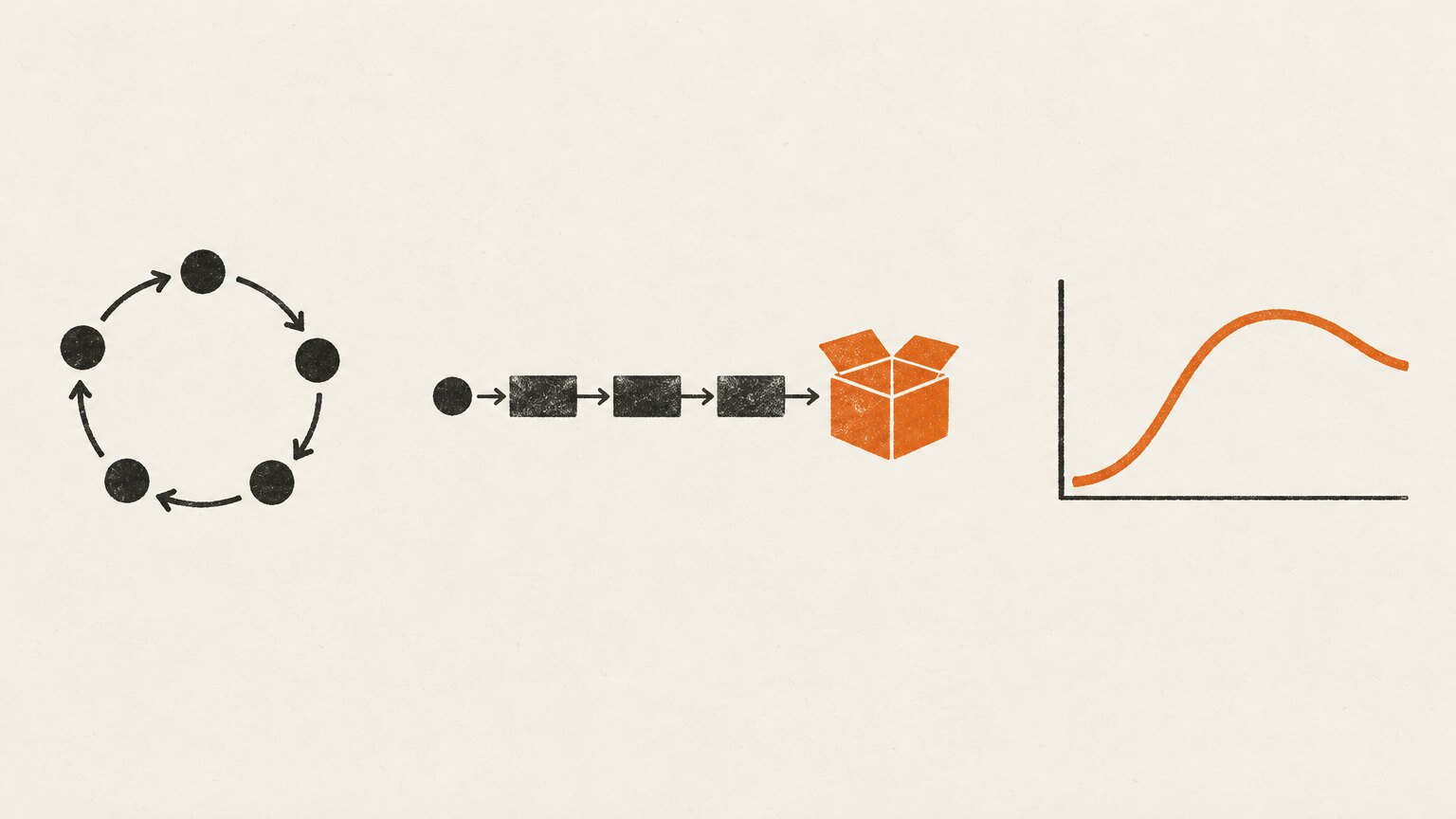
We Were Making Money. So Why Did We Have to Kill Half Our Products?
Design Thinking helps us understand problems and explore solutions. The Product Development Lifecycle helps us build and improve products. But neither replaces the need to manage the Product Lifecycle. So why do we often focus more on building what’s next than keeping what we have healthy?
20 October 2026
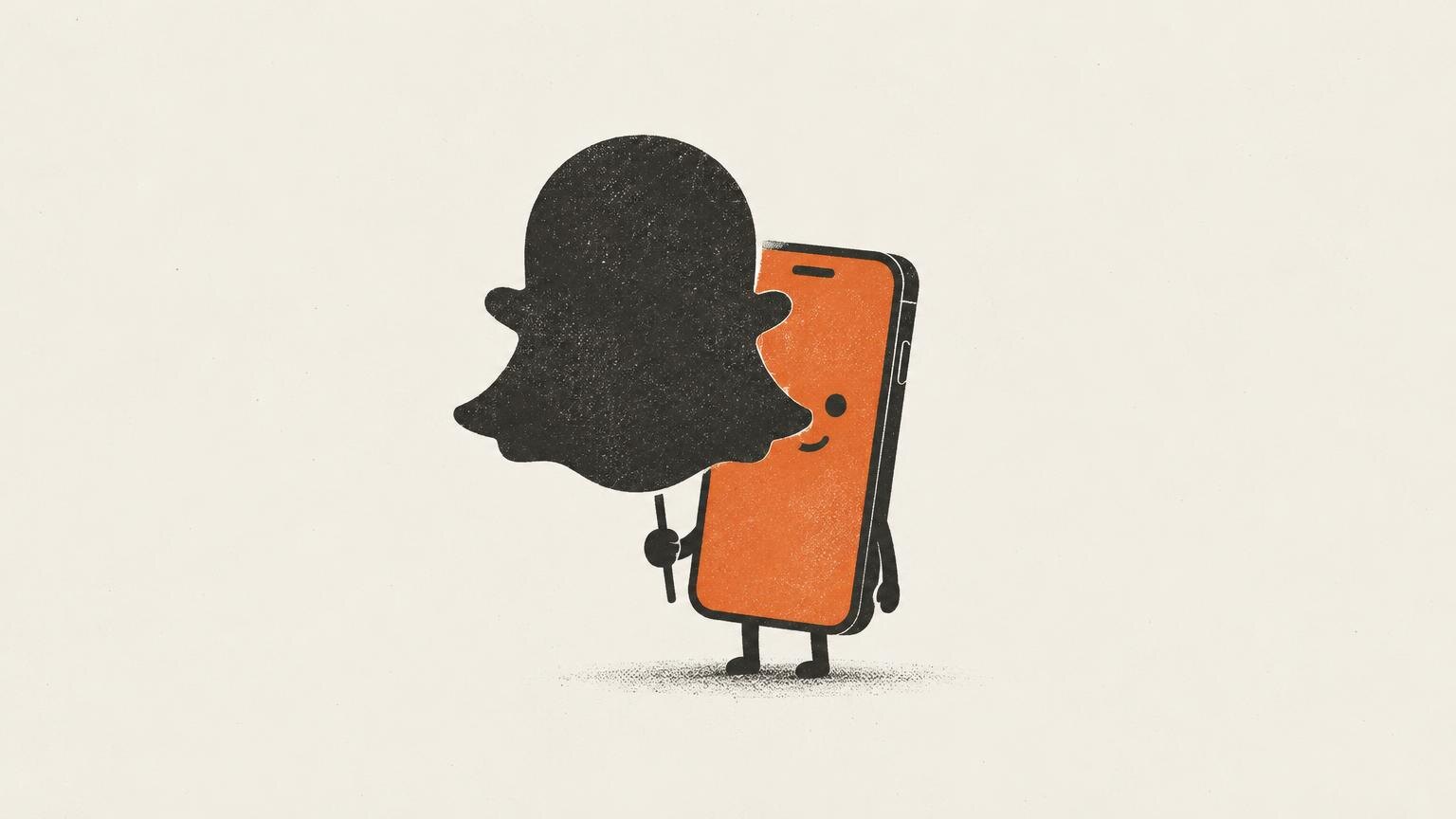
“It’s Like Duolingo, but for…” What This Says About Your Product Positioning
Borrowing a famous product to explain yours sets expectations. Are you communicating value, or borrowing someone else’s?
11 October 2026
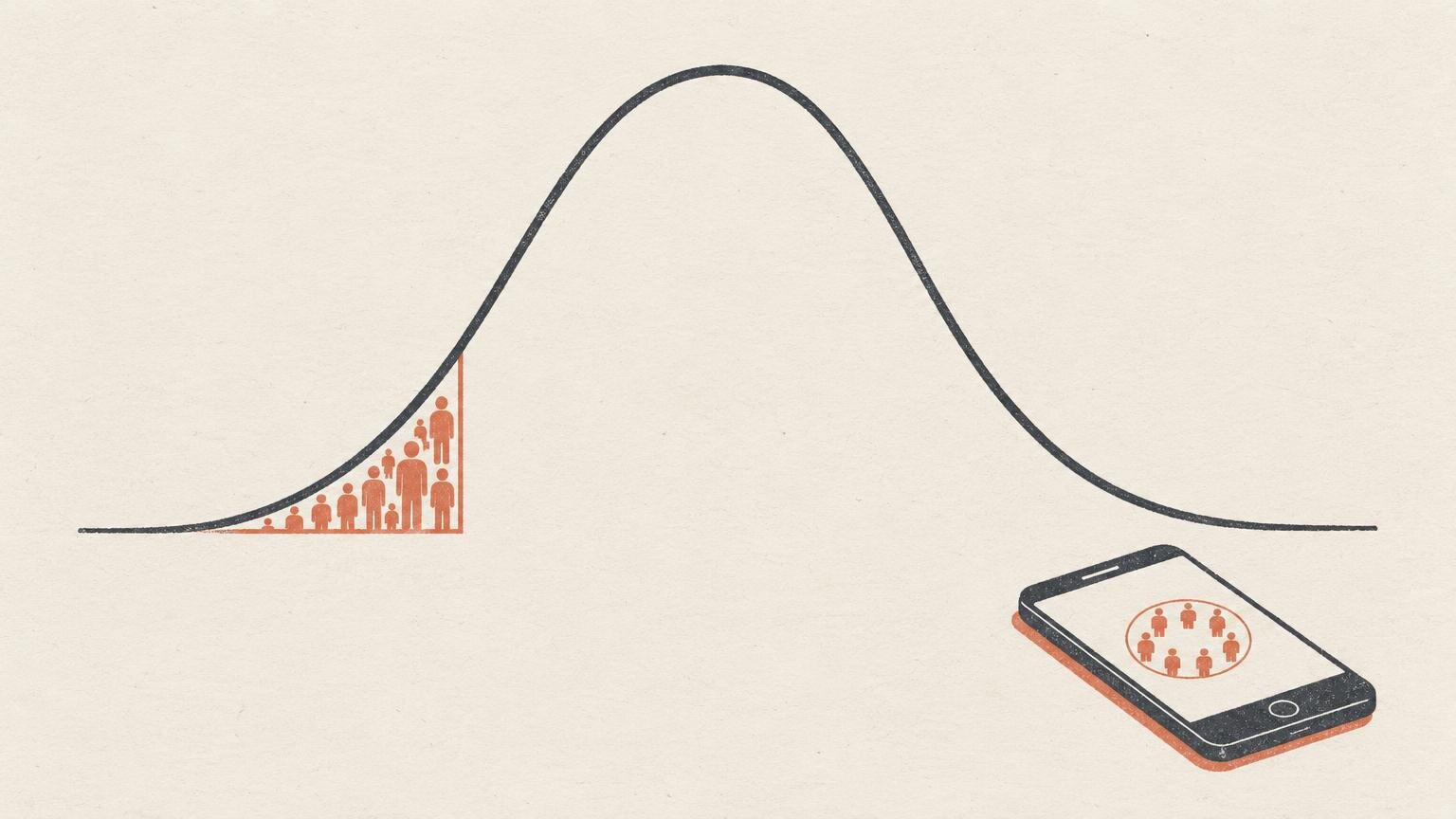
Having Few Users Is a Blessing: And Your Digital Product Needs It
A note for startupers in Mozambique.
10 October 2026
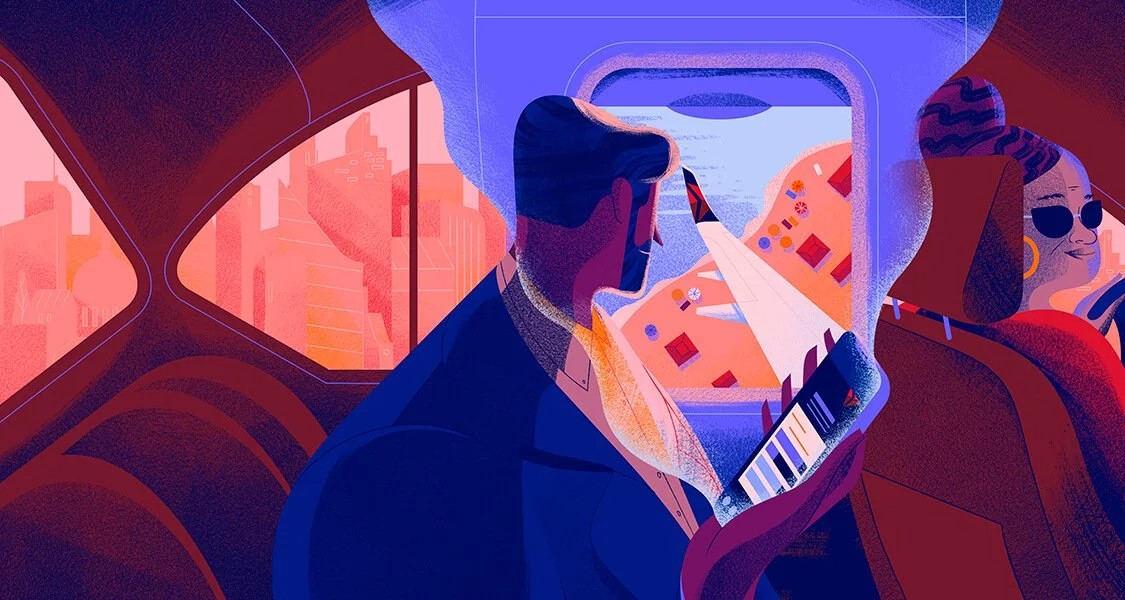
Building products: Our Imagination Captures More Detail Than Our Eyes
For those building and leading products, technical books teach us frameworks and strategies, but fiction helps us understand humans. Sometimes, our imagination captures details our eyes miss.
3 October 2026
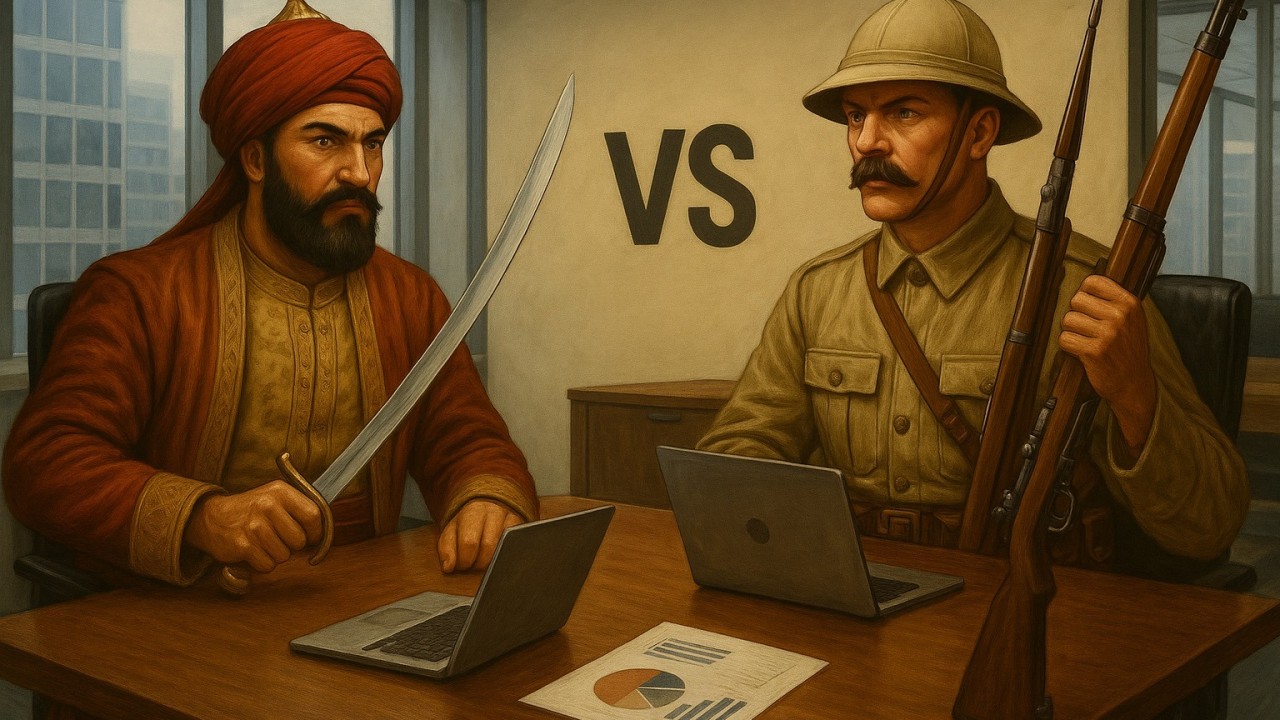
What the Ottoman Empire Can Teach Product Teams Today
History shows that power used to control can collapse, while power used to connect, collaborate, and respect local wisdom can endure. I’ve been reading about the Ottoman Empire and comparing it with European colonialism in Africa. The contrast made me wonder: What can the Ottoman Empire teach us about product organizations today? Maybe the next breakthrough in tech isn’t a new framework, but an old lesson from history.
3 October 2026
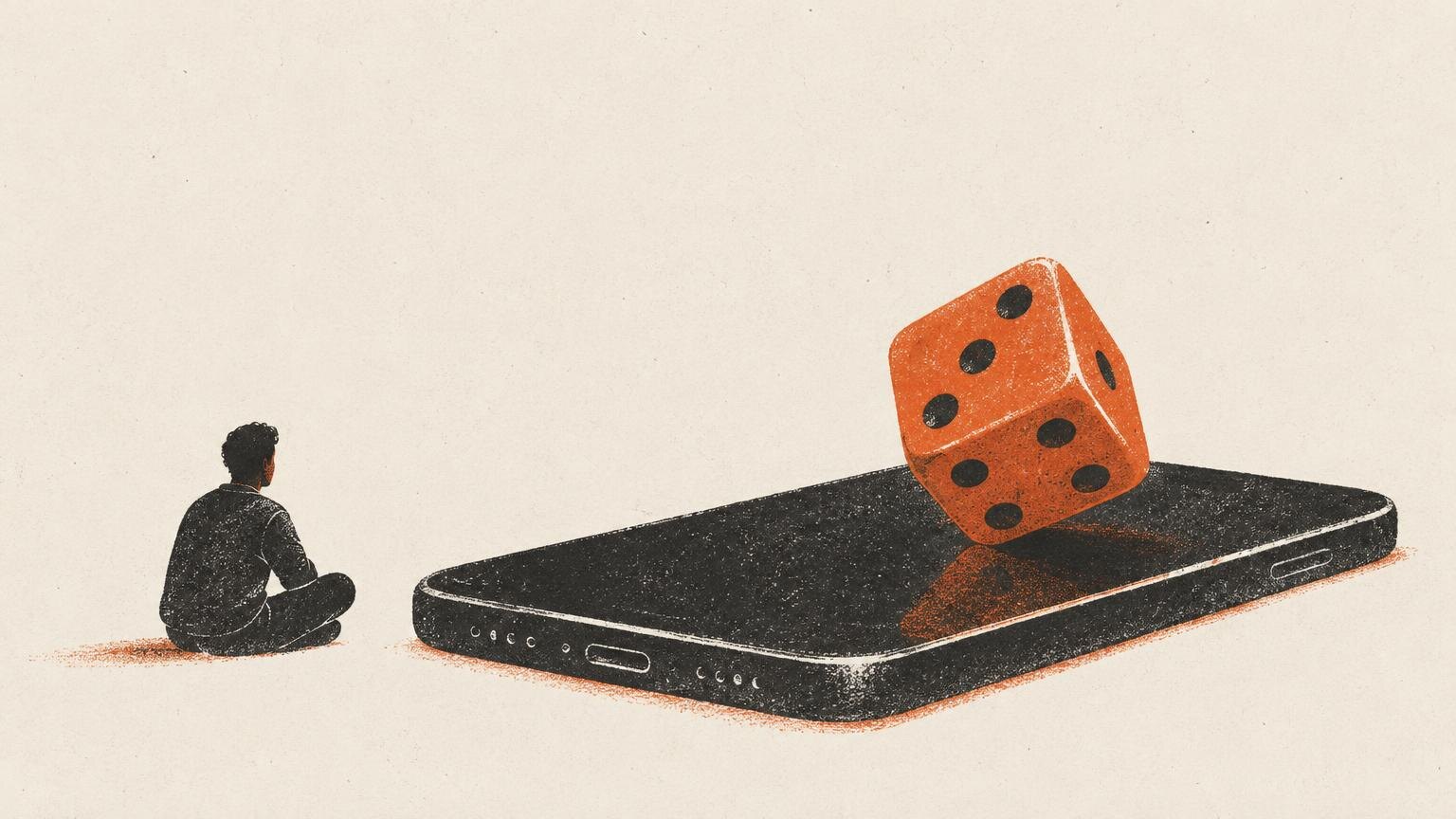
Betting Apps Have Everything to Go Wrong. Yet They Work: The Classic Product Design Paradox
The Classic Product Design Paradox: why do products with poor UX still succeed? Betting apps are a perfect example. Sometimes, the motivation behind a product (money, hope, convenience, or need) is stronger than the friction in the experience. What makes people tolerate a bad experience?
3 October 2026
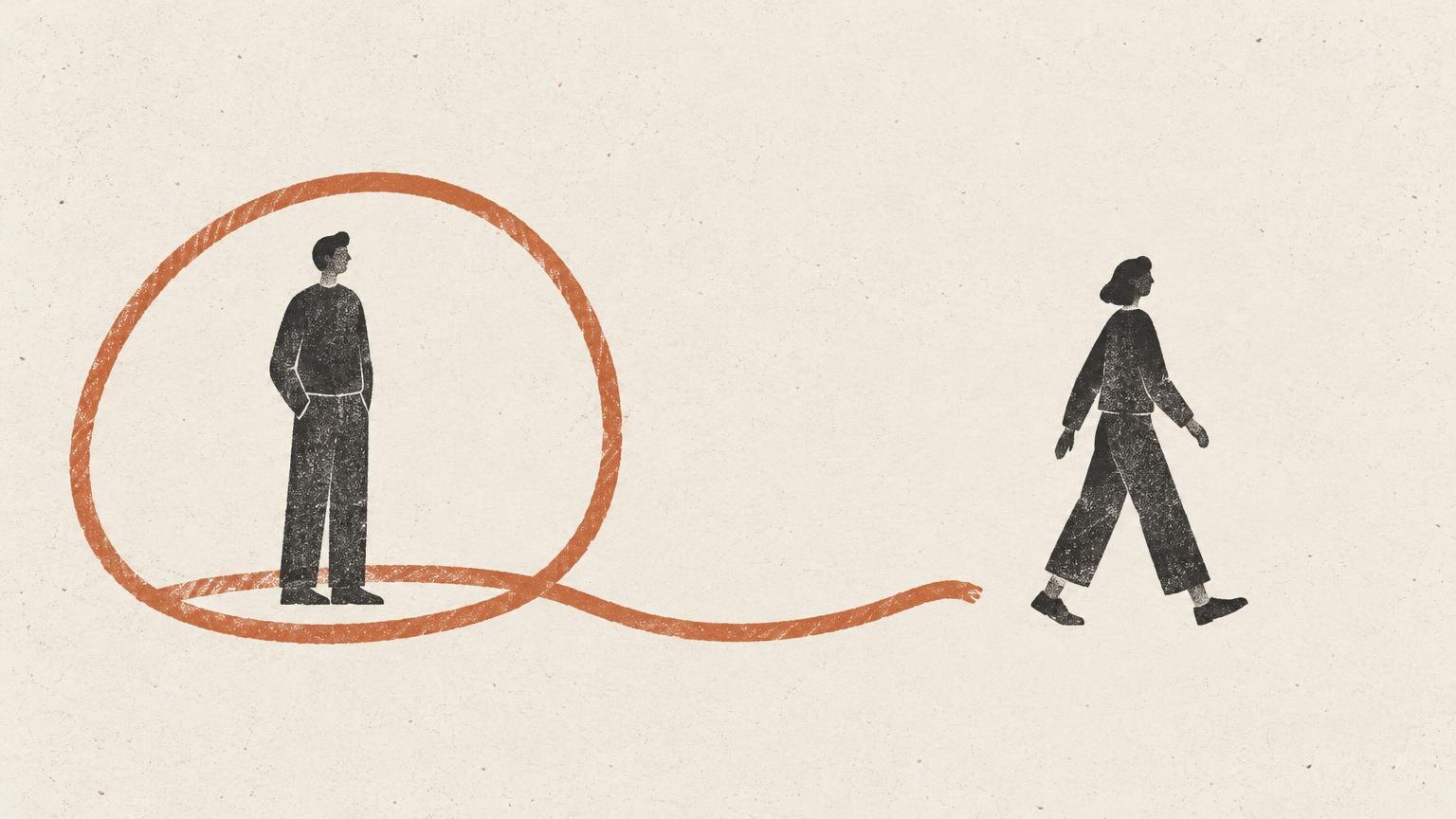
Retention: Are Customers Staying Because They Want To, or Because They Have No Choice?
High retention doesn’t always mean high loyalty. Sometimes customers stay simply because they have no better option. The real test of a product is what happens when a better alternative appears. This is a reflection on the difference between customers who stay because they choose you and customers who stay because they have to.
3 October 2026
Invisible Product Decisions: When the Tool Built to Help You Remember Punishes You for Forgetting
I forgot the password to a locked Apple Note and lost the content forever. It made me realize that this is not just a technical limitation, but a product decision: Apple chose privacy and brand trust over recoverability. The bigger question is: how do we balance strong security with inevitable human error?
3 October 2026
How T-Series Quietly Beat Sony and Universal and Changed Bollywood Forever
The future of global content won’t be decided in California boardrooms. It will be streamed from Lagos, listened to in Lucknow, and monetized in Mombasa. Sony Music Entertainment still has the gloss. Universal Music Group still has the Grammys. But T-Series has the people. And in the end, it’s not who plays the loudest. It’s who makes you sing along.
3 October 2026
Bollywood’s Secret Ingredient: Music That Moves the Masses
For digital product teams, especially in Africa, Bollywood is a template for creative scale: Start small, hit hard: One great song can launch a film. One great feature can launch a product. Emotional resonance matters more than perfection. Cross-functional collaboration (like composers + singers + choreographers) creates magic, just like designers, devs, and PMs. Pre-release engagement: Drop your soundtrack (or beta feature) early. Let users help shape the story. Sustainability through emotion: Build products people feel, not just use.