20 October 2026 · Translating…
“It’s Like Duolingo, but for…” What This Says About Your Product Positioning
Borrowing a famous product to explain yours sets expectations. Are you communicating value, or borrowing someone else’s?
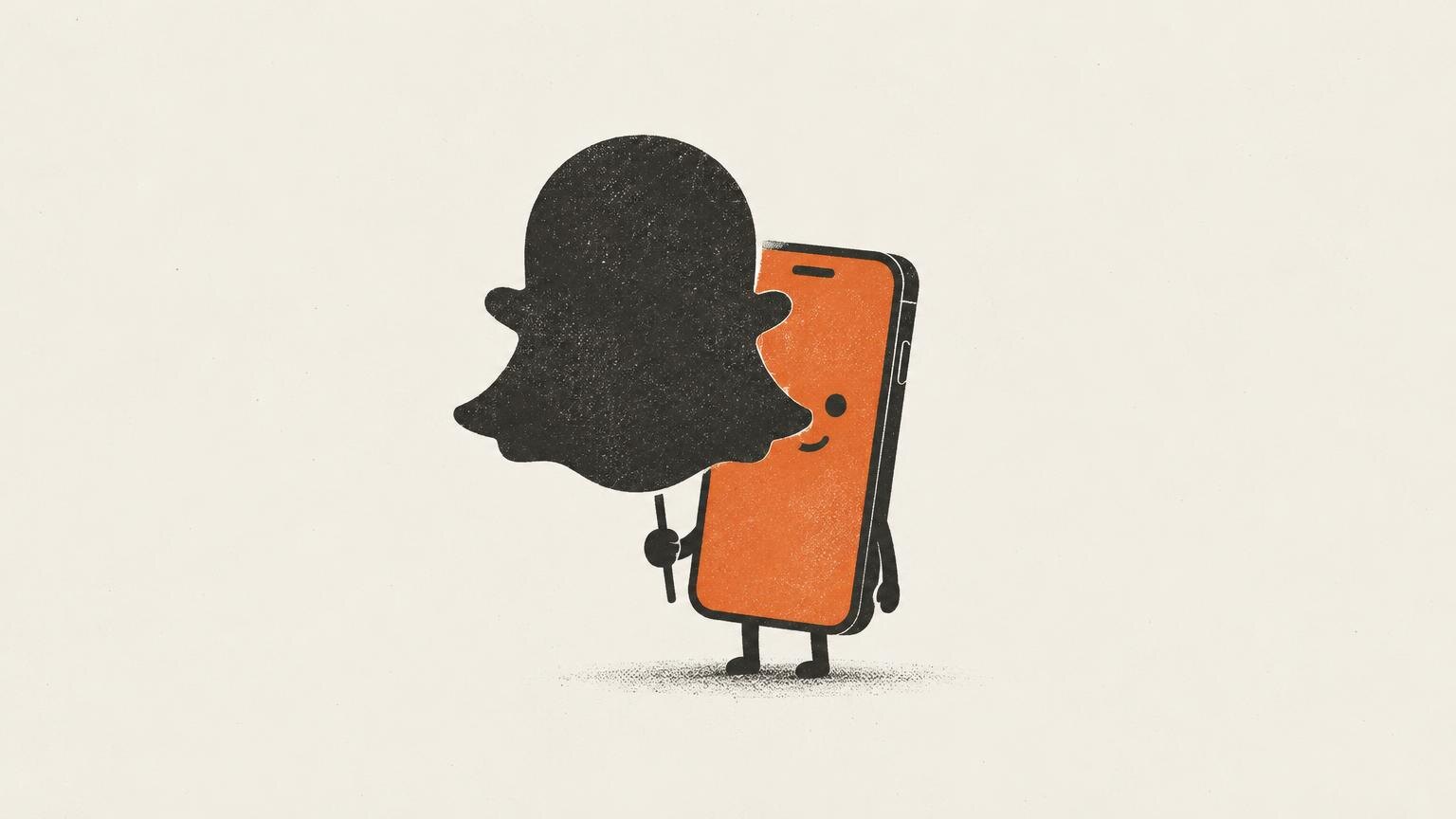
“It’s like Duolingo, but for…” “It’s like TikTok, but for…” “It’s like Uber, but for…”
I’ve been seeing these comparisons everywhere in product pitches and product publicity lately.
It got me thinking: why do we keep explaining new products through other products, sometimes in completely different industries?
I think the answer has something to do with how clearly certain products have established their value in people’s minds.
Duolingo evokes gamified learning, daily streaks and bite-sized lessons. TikTok brings to mind short-form video, personalised feeds and content discovery. Uber suggests requesting a ride with a few taps.
These brands have become mental shortcuts. Their names communicate an entire experience without requiring a lengthy explanation.
For someone introducing an unfamiliar product, borrowing that familiarity makes sense. It gives the audience a starting point, something they already understand, before introducing what’s new.
That’s a smart communication strategy.
But it raises an interesting question: when you explain your product by comparing it to another, are you communicating your value proposition or borrowing someone else’s?
Imagine a founder pitching an app as “Duolingo for financial literacy.”
I understand the format. I can imagine lessons, streaks, points and gamification. But I still don’t know what financial problem the product solves, what I’ll learn, or how my life will improve by using it.
The comparison explains how the product might work. It doesn’t necessarily explain why it should exist.
And that distinction matters.
The expectations you’re creating
There’s another risk that product teams often overlook: comparisons don’t just help people understand a product. They shape what people expect from it.
When you say your product is like TikTok, you’re not simply describing a format. You’re activating a set of expectations about the experience: how content is discovered, how the feed responds to individual interests, how quickly users can navigate it, and how engaging the experience feels.
Your audience brings those expectations with them before they’ve even tried your product.
If the experience falls short, the comparison can work against you. Instead of helping users understand your product, it gives them a reference against which to judge its weaknesses.
This doesn’t mean your product needs to replicate everything TikTok does. It means you need to understand which expectations your comparison creates and whether your product can fulfil them.
If you promise a TikTok-like discovery experience, for example, but deliver a static list of videos with little relevance to the user, you’ve created a gap between the promise and the experience.
That gap can damage trust.
The stronger the reference, the more carefully you need to manage the expectations that come with it.
This is where positioning becomes more than a marketing concern. It influences product design, prioritisation and the experience you’re committing to deliver.
Before borrowing another product’s name, ask yourself: are we using this comparison to make our value easier to understand, or are we promising an experience we haven’t built?
When the shortcut becomes the strategy
Using an established product as a reference isn’t inherently a weakness. It can help customers understand a new concept, particularly when the category is unfamiliar.
The problem emerges when the comparison does all the explanatory work.
If removing the words “like TikTok” leaves you unable to explain what your product does, whom it serves and why anyone should care, perhaps the issue runs deeper than marketing.
It could be a positioning problem: the team hasn’t clearly defined its place in the market or what distinguishes it from alternatives.
It could be a product conception problem: the team has designed an experience around familiar mechanics without establishing the customer value those mechanics are supposed to create.
Or it could simply be a communication problem. The value exists, but the team hasn’t found the language to express it.
The comparison alone doesn’t tell us which. It does, however, give us a reason to ask better questions.
Are we borrowing a successful product’s interaction model because it serves our customers, or because we don’t yet know what experience would serve them best?
Are we differentiating ourselves through the problem we solve and the outcomes we deliver, or merely through the audience we apply an existing model to?
And perhaps most importantly, if our reference product didn’t exist, would we still know how to explain the value of our own?
There’s a lesson here for product people
Positioning, value proposition and communication are related, but they aren’t the same thing.
Positioning establishes the place you want your product to occupy in the customer’s mind relative to alternatives. Your value proposition explains why the customer should choose it. Communication makes that value understandable and relevant.
A familiar comparison can help with communication. It cannot do the thinking required for positioning, and it shouldn’t create expectations that the product experience cannot fulfil.
Ultimately, a product shouldn’t be defined only by the features it offers, the interface it uses or the successful company it resembles. It should be understood through the value it creates for the people who use it.
And perhaps that’s the real reflection here.
When we say our product is like another, are we making the unfamiliar easier to understand, or are we creating a promise that our product isn’t ready to keep?
There’s a difference between borrowing a reference to explain your thinking and borrowing one because you haven’t finished thinking.
As product people, we should know which one we’re doing.
Keep reading

21 November 2026
Are We Obsessed With Roadmaps?
At what point does managing the roadmap become more work than delivering the actual work?
Read article
15 November 2026
The Interface Is Changing. But Is Everyone Coming Along?
Why the future of digital products cannot be designed around the assumptions of the world’s most connected markets.
Read article
8 November 2026
Everyone Can Grow Tomatoes. Everyone Can Build Apps. Who Can Sell Them?
Why distribution, not production, may become the biggest competitive advantage in the age of AI.
Read article
Benjamim Paulino
End-to-end product strategist · Maputo, Mozambique