3 October 2026 · Translating…
Retention: Are Customers Staying Because They Want To, or Because They Have No Choice?
High retention doesn’t always mean high loyalty. Sometimes customers stay simply because they have no better option. The real test of a product is what happens when a better alternative appears. This is a reflection on the difference between customers who stay because they choose you and customers who stay because they have to.
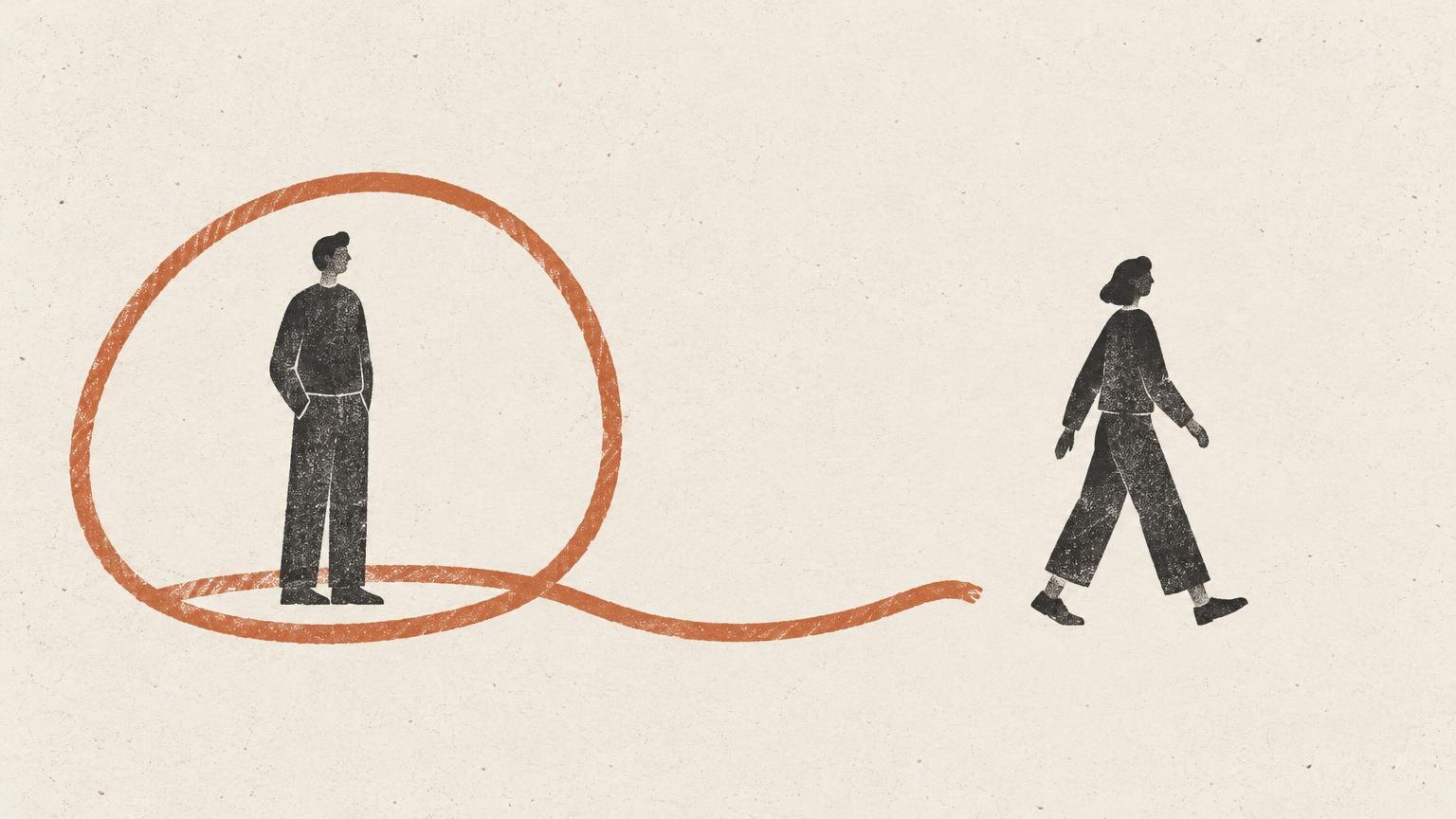
Today I went to buy bread.
I was told not to buy it from the bakery near my house, but from another one 1.1 km away. But why, if we have always bought from the one nearby?
The answer was simple: because the bread from that bakery is soft and the other one has good bread.
So I went there.
Huge queue.
The interesting part was that the bakery near my house was almost empty.
It made me think about when that bakery first opened. It was a big relief because we didn't have one nearby. Today, we already have three or four bakeries in the area. But apparently, that other bakery has become the new preference for many families.
And that made me think about one of the most important product KPIs: retention.
Apparently, I analyse everything I see from a product perspective.
As Product Leaders, we sometimes lie to ourselves when we say we have a high retention rate, without asking ourselves why people are actually staying.
Sometimes retention is not because the product or service is good. It is because there is no better option.
That is not real loyalty. It is constrained retention.
The moment a better product appears, customers don't need much convincing to leave.
The best examples are often the services we use every day.
We stay in a queue because there is no alternative. We continue using a particular service because there is no other provider available. We tolerate poor service because switching is difficult, expensive, or simply impossible.
From the outside, the numbers can look great.
High customer base. High active users. Low churn.
But underneath those numbers, there may be very little preference.
There are many products and services like this. They appear to have strong retention, but that retention lasts only until someone gives customers a real alternative.
The only grocery store in the neighbourhood. The only supermarket in the area. The only mobile operator in the country. The only bank branch nearby.
All of them can have "high retention".
But what happens when another option arrives?
This is where I think we sometimes misunderstand retention as Product Managers.
Retention tells us that customers are staying.
It does not necessarily tell us why they are staying.
And the "why" matters.
A customer can stay because they love your product.
They can stay because your product solves their problem better than anything else.
They can stay because changing is difficult.
They can stay because there is no alternative.
They can stay because they have already invested time and data in your ecosystem.
They can stay because everyone around them uses the same service.
These are very different types of retention, even if they look exactly the same on a dashboard.
Imagine you are the only product in your category.
Your customers have nowhere else to go.
Your retention can be 90%, 95%, or even higher.
But that number tells you very little about how customers will behave once competition arrives.
The real test starts when customers have a choice.
That is when preference becomes visible.
The bakery near my house probably benefited from something very simple: proximity. It was the closest option, and when it opened, that was enough.
But proximity is not the same as preference.
Today, there are more options. And apparently, some customers are willing to walk 1.1 km and wait in a long queue because they believe the product is better.
That is a powerful product lesson.
People are willing to overcome friction for something they value.
They will travel further.
They will wait longer.
They will change habits.
They will learn a new interface.
They will download another app.
They will move their data.
They will even pay more.
When the perceived value is high enough, friction becomes acceptable.
So perhaps one of the questions we should ask ourselves as Product Leaders is not simply, "What is our retention rate?"
It should be:
"Why are customers still here?"
And another one:
"If tomorrow a better alternative appears, will they still choose us?"
That is a much harder question.
Because it forces us to look beyond the KPI and understand the behavior behind it.
Our job is not just to make people stay.
Our job is to give them reasons to want to stay.
To create something that people choose, not something they tolerate.
To build products that survive competition not because customers have nowhere else to go, but because leaving would mean giving up something they genuinely value.
The strongest retention is not created by the absence of alternatives.
It is created when alternatives exist and the customer still chooses you.
That is the kind of retention I want to build.
And yes, I found what I was looking for.
The bread was hot and fresh.
I bought 10.
Keep reading
21 November 2026
Are We Obsessed With Roadmaps?
At what point does managing the roadmap become more work than delivering the actual work?
Read article
15 November 2026
The Interface Is Changing. But Is Everyone Coming Along?
Why the future of digital products cannot be designed around the assumptions of the world’s most connected markets.
Read article
8 November 2026
Everyone Can Grow Tomatoes. Everyone Can Build Apps. Who Can Sell Them?
Why distribution, not production, may become the biggest competitive advantage in the age of AI.
Read article
Benjamim Paulino
End-to-end product strategist · Maputo, Mozambique