10 October 2026 · Translating…
Building products: Our Imagination Captures More Detail Than Our Eyes
For those building and leading products, technical books teach us frameworks and strategies, but fiction helps us understand humans. Sometimes, our imagination captures details our eyes miss.

One of the best ways to build products that people actually use is not simply to solve their problems. It is to solve them in ways that relate to their everyday reality. The way people talk, the way they hold things, the way they open and close doors, how they perceive things and situations around them, what they value, what they believe in, and all the little things they do without even thinking about them.
This applies to every kind of product we can imagine, whether digital or physical.
Take the first unlock screen of the iPhone, for example. The original slide-to-unlock interaction is often associated with a familiar physical action: sliding a mechanism to unlock something. One story about its design connects the inspiration to an airplane toilet door. The important lesson is not necessarily the specific origin of the idea, but the principle behind it. Sometimes, the solution to a digital problem already exists in the physical world. We just need to recognise it.
In Mozambique, for example, we rarely build login journeys around email as the primary authentication method for everyday consumer services. Despite owning smartphones, many people do not use email as part of their daily routine. Their phone numbers are much more relevant to their everyday lives. SMS verification and phone-based authentication therefore often make more sense than assuming everyone has an email address they regularly access.
There are standards, of course. There are best practices, established patterns, and proven frameworks. But these standards are not detached from human reality. Many of them exist because they reflect behaviours people already understand. The problem begins when we take a solution that works in one context and assume it will work everywhere else.
People do not interact with products in isolation. They bring their habits, their environments, their beliefs, their limitations, and their expectations with them.
And this is where I think we need to look beyond conventional product development practices.
For years, I hated reading fantasy and novels. I always preferred technical books, which I still love. They give us frameworks, strategies, methods, and best practices. They help us understand how to approach problems and build better products.
But lately, I have been forcing myself to read more fantasy and novels, and I am beginning to understand that they give me something technical books do not.
They describe things.
They describe how a character moves through a room, how someone looks at another person before answering a question, how the atmosphere changes when someone enters a place, how people react to situations, and how small details reveal things that are never explicitly said.
They give ordinary actions, objects, places, and emotions a level of detail that we rarely pay attention to in our everyday lives. They introduce us to words for things we have experienced but never knew how to describe.
And the more I read, the more I realise that these descriptions train something important: our ability to imagine situations beyond what is immediately visible.
When I tell people working on a new product or feature to observe how people do things, I know it works. Watch how someone uses their phone. Observe how they pay for something, how they ask for help, how they navigate a service, or how they react when something does not work as expected.
But I would go a step further.
I would invite them to read fantasy and novels.
Not because fictional stories provide ready-made product solutions, but because they force us to construct mental pictures of people, places, actions, motivations, and situations. They make us think about what someone might be feeling, what they might be hiding, what they might do next, and why they might behave in a particular way.
In real life, we often see an action and move on. In a novel, we might spend several pages understanding what led to that action.
That difference matters.
A customer might abandon a registration process. Analytics can tell us where they stopped. Research can help us understand why. But imagining the person’s circumstances can lead us to ask questions we might not have considered otherwise. Are they distracted? Are they worried about the cost of data? Are they sitting in a crowded place? Are they sharing their phone with someone else? Are they afraid of making a mistake they cannot reverse?
These are possibilities, not conclusions. We still need research and observation to validate them. But our imagination helps us recognise which questions are worth asking in the first place.
And that is what makes this interesting to me.
**Our eyes capture what is in front of us. Our imagination helps us explore what might be happening beyond it. ** Technical books help us understand frameworks, strategies, and best practices. Observation helps us understand what people actually do. Research helps us test what we think we understand.
But stories help us explore the human context behind all of it.
Of course, reading fiction does not automatically make someone a better product manager or designer. And a beautifully imagined explanation of customer behaviour is still just an assumption until it is tested against reality.
But I believe that the more we expose ourselves to different characters, environments, conflicts, and ways of seeing the world, the more possibilities we can recognise when we return to our work.
We become better at noticing details, asking different questions, and imagining experiences that make sense to people rather than simply making sense to us.
Perhaps the problem is that we spend so much time learning how to build products that we sometimes forget to learn how to understand humans.
And maybe some of that understanding is waiting for us in books we have spent years avoiding.
The technical books might teach us how to build the right product.
The boring fantasy books might help us understand the people we are building it for.
Keep reading
11 October 2026
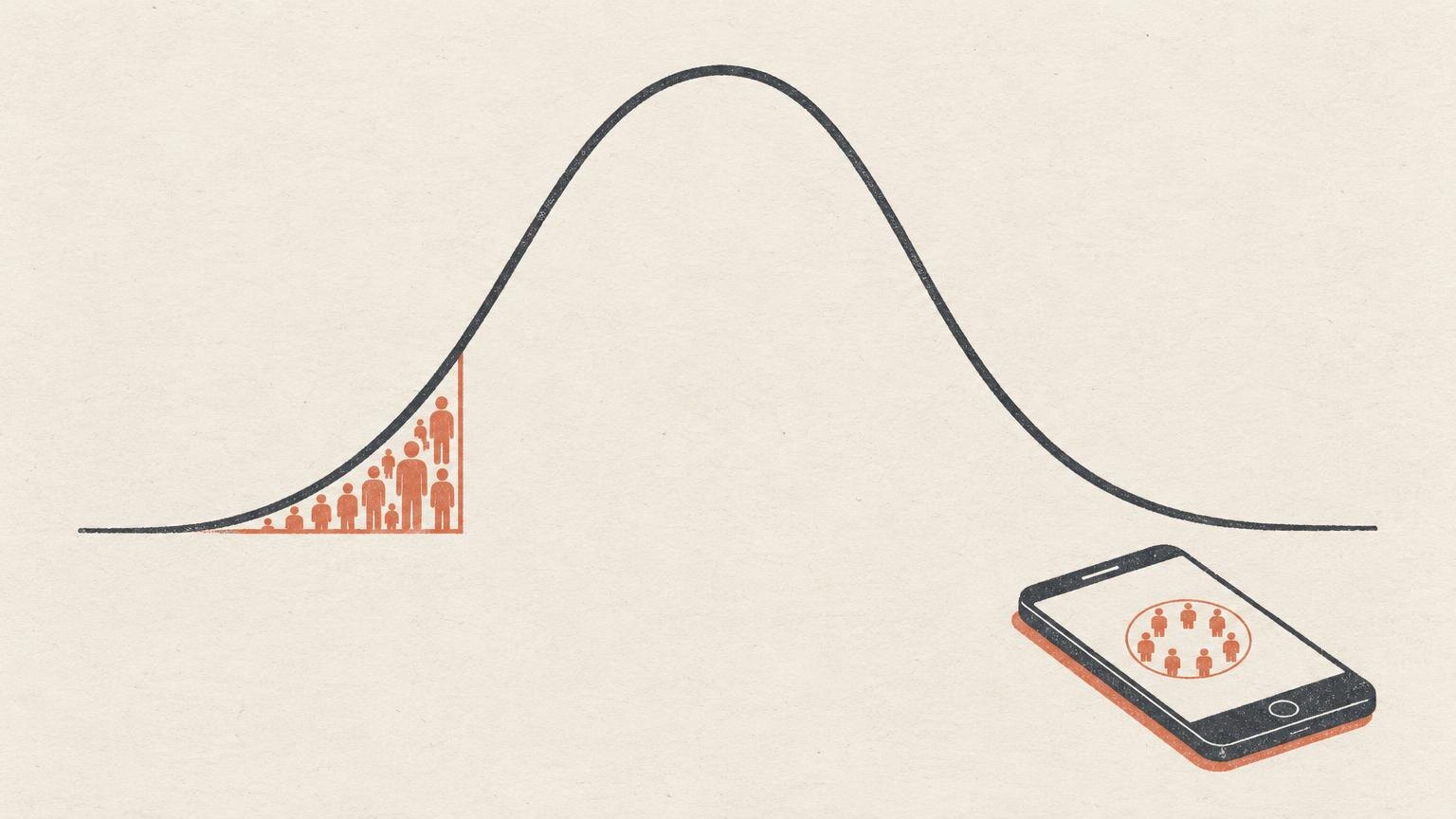
Having Few Users Is a Blessing: And Your Digital Product Needs It
A note for startupers in Mozambique.
Read article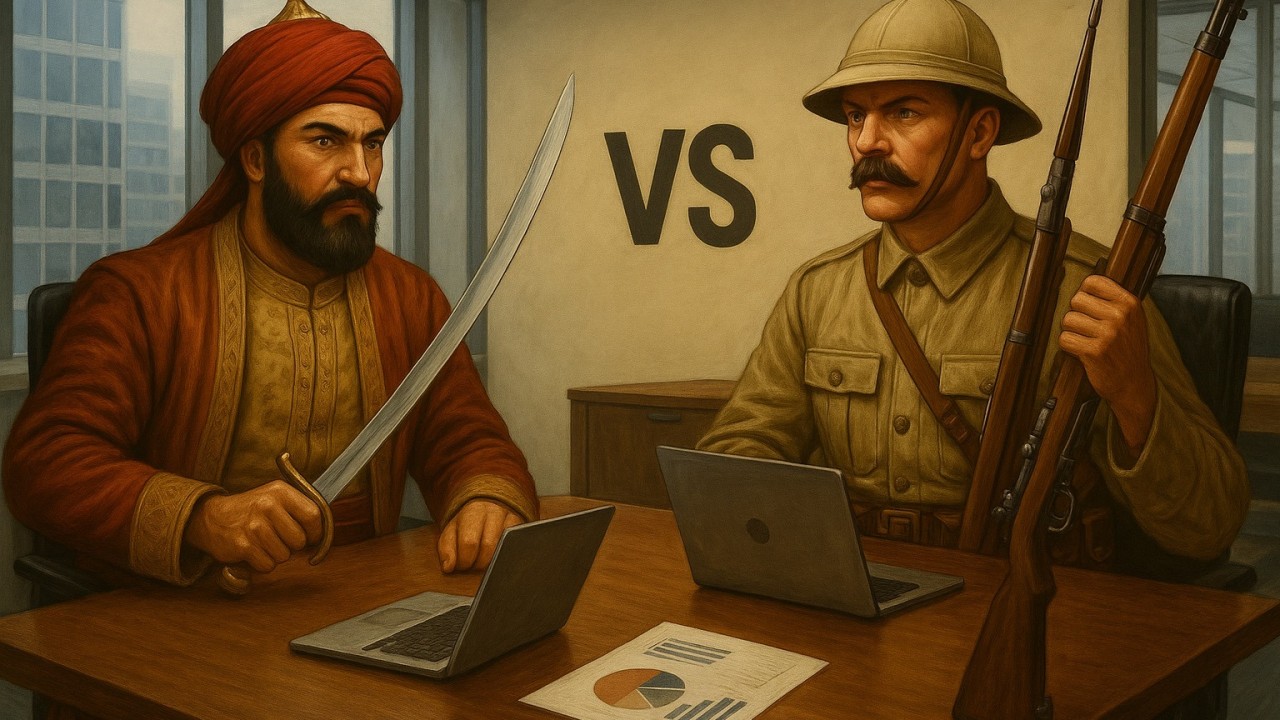
3 October 2026
What the Ottoman Empire Can Teach Product Teams Today
History shows that power used to control can collapse, while power used to connect, collaborate, and respect local wisdom can endure. I’ve been reading about the Ottoman Empire and comparing it with European colonialism in Africa. The contrast made me wonder: What can the Ottoman Empire teach us about product organizations today? Maybe the next breakthrough in tech isn’t a new framework, but an old lesson from history.
Read article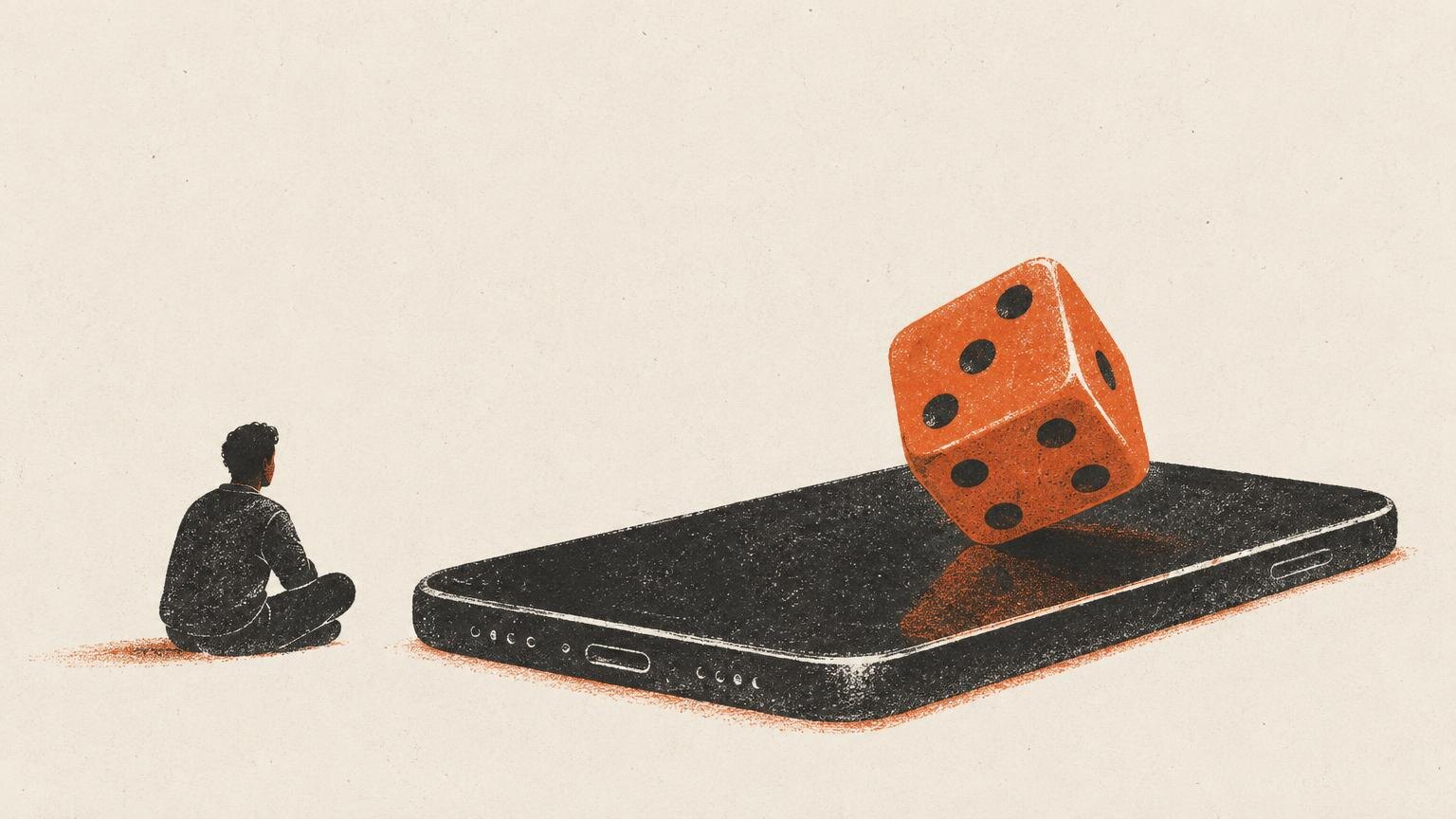
3 October 2026
Betting Apps Have Everything to Go Wrong. Yet They Work: The Classic Product Design Paradox
The Classic Product Design Paradox: why do products with poor UX still succeed? Betting apps are a perfect example. Sometimes, the motivation behind a product (money, hope, convenience, or need) is stronger than the friction in the experience. What makes people tolerate a bad experience?
Read article
Benjamim Paulino
End-to-end product strategist · Maputo, Mozambique